
How to Grow Cannabis in an Apartment, Discreetly
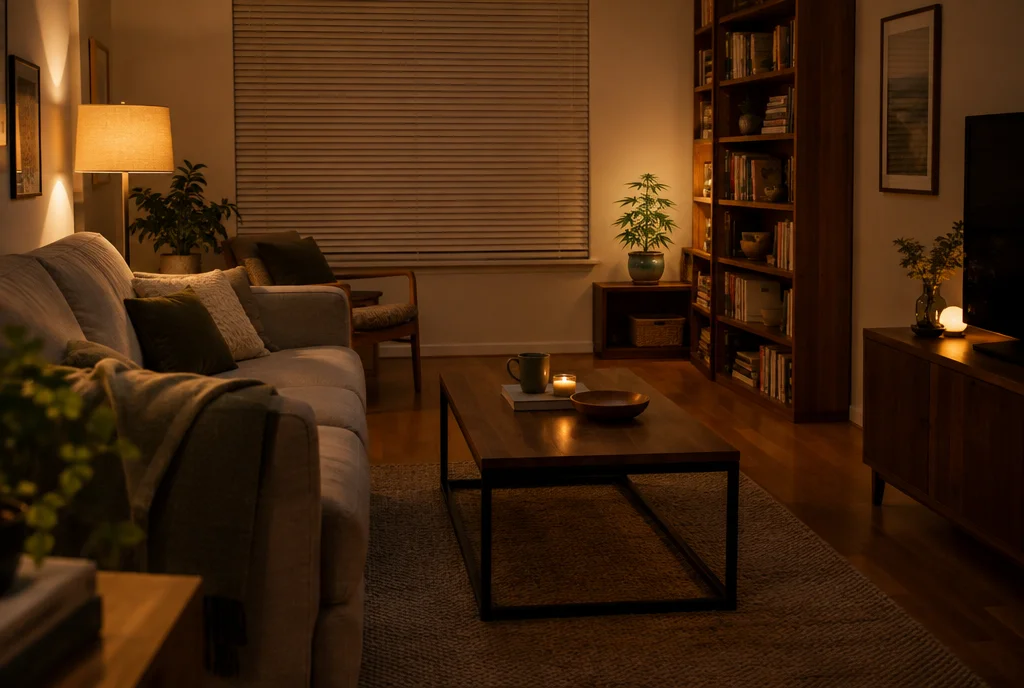
Growing cannabis in a house with a basement is one thing. Growing it in a one-bedroom apartment, with thin walls, a landlord, neighbors in the hallway and nowhere to hide a tent, is another. The good news: plenty of people do it successfully. The trick is understanding what gives an apartment grow away, and dealing with each of those things before the plant starts to flower.
Start With the Rules, Not the Gear
Discretion isn’t about hiding something illegal. It’s about being a good neighbor while doing something legal. So first, make sure it is legal where you live.
State law. Home growing is allowed for adults in many US states, but the plant limits and conditions differ, and several legal states don’t allow home growing at all. Most states that allow it require plants to be in a locked or secured space and out of public view. We’ve summarized the rules in Home-Grow Cannabis Laws by US State.
Your lease. This is where apartment growers get caught out. States handle renters very differently:
- New York explicitly allows home growing in apartments you rent, and its Office of Cannabis Management says landlords can only refuse to lease to, or penalize, a tenant if they risk losing federal benefits.
- Ohio doesn’t protect home growing at a residence occupied under a rental agreement that prohibits it.
- Montana requires growers to own the home or have written permission from the owner.
- California’s cannabis regulator advises renters to check their rental agreement, because property owners can ban cannabis use on their property.
Federally assisted housing. If you live in public housing or use a federal housing voucher, be especially careful. HUD has long held that federally assisted housing providers may not allow residents to grow or use marijuana, even where state law allows it, because growing cannabis at home remains illegal under federal law. Check with your housing authority before you plant anything.
When in doubt, read your lease and ask. A quick conversation is far better than an eviction notice.
Smell: The Biggest Giveaway
Once the legal side is clear, five things tend to give an apartment grow away: smell, light, noise, moisture and a mess. Smell is the big one.
A flowering cannabis plant is one of the most fragrant things you can keep indoors, and smell travels through hallways, shared vents and gaps under doors. It peaks in the last weeks of flowering and again while the buds dry. Some states even write it into the law: New York requires home growers to take reasonable measures to keep odor from becoming a nuisance to neighbors, such as using a carbon filter indoors, and Rhode Island’s rules ask growers to keep plant odors from noticeably changing the smell outside the grow location.
The proven fix is an activated carbon filter on the exhaust, so every bit of air leaving the grow passes through it. A filter only works if the air can’t sneak out somewhere else, and it wears out, so replace it on schedule. Air fresheners and sprays just add a second smell on top of the first.
Light Leaks
A grow light shining through a bedroom window at night is about as subtle as a lighthouse. Keep the grow away from windows, and use an enclosure that keeps the light inside. Remember too that many state laws require plants to be out of public view, and in an apartment, “public view” can include the building across the street.
Noise
Controlling smell and heat means fans, and fans hum. In a house, that disappears into the background. In a studio apartment, the grow might be three feet from your pillow. Look for equipment that can run slower and quieter at night.
Heat and Humidity
Plants release a lot of water through their leaves, and a grow light adds heat. In a small, well-sealed apartment, that moisture can end up in your walls. The US Environmental Protection Agency recommends keeping indoor humidity below 60%, ideally between 30 and 50%, to prevent mold in your home. The air inside a grow needs its own management, with fresh air exchange and filtration, so the moisture the plant needs doesn’t become the apartment’s problem. We go deeper on this in Heat, Humidity and Smell.
Water and Electricity
Two classic apartment disasters: a flooded saucer that leaks into the neighbor’s ceiling, and a power strip daisy-chained to a big light. Use a tray or a contained drainage system for runoff. On the electrical side, safety groups like the Electrical Safety Foundation International warn that extension cords are meant for temporary use, not as permanent wiring, and estimate that about 3,300 home fires start in extension cords each year. Colorado’s official cannabis site recommends having grow lights and equipment installed by a licensed electrician, and New York’s guidance suggests using LED lights to lower the risk. Efficient, low-wattage equipment plugged directly into a wall outlet is the safest bet.
Don’t Forget the People Inside
Discretion also means guests, roommates and kids. If people visit, a grow in a closet with a flimsy latch isn’t really private, and many states require plants to be locked away from anyone under 21. Store nutrients and pH adjusters securely too, since they’re concentrated chemicals. We cover this in more detail in How Much Work Is a Home Grow, and How Do You Keep It Safe With Kids Around?
How We Solved It for Sunday
We designed Sunday for exactly this situation: a grow that lives in your living room or bedroom without announcing itself.
- It looks like furniture. Sunday is a wooden cabinet, 60 × 60 × 110 cm, not a reflective tent. Visitors see a piece of furniture.
- Smell stays inside. A carbon filter sits on the exhaust, so the air leaving Sunday passes through it first. You replace the filter at the start of each grow cycle, and the first one is in your grow kit.
- Quiet at night. Quiet Mode slows the fans at night, so Sunday is comfortable even in a bedroom.
- It locks. An app-controlled child safety lock keeps the plant and the nutrients behind a locked door. You open it from your phone only when you need to.
- No mess. Sunday is drain-to-waste: the excess water from each irrigation drains into a separate runoff container, not onto your floor.
- Efficient light. Sunday’s LED draws at most 100W and runs at 2.7 μmol/J, so it makes less heat to begin with, and it dims gradually once the plant has had enough light for the day.
- Check in without opening the door. Dual HD cameras let you see your plant live in the app, so you don’t have to open the cabinet every time you’re curious.
One thing to keep in mind: Sunday keeps its climate in range by exchanging air with the room it’s in, so placement matters. Pick a spot with stable, comfortable temperatures, away from direct sunlight, with a little space around the box for airflow.
The Takeaway
A discreet apartment grow comes down to legality and five details: smell, light, noise, moisture and safety. Check your state law and your lease first. Then filter every bit of exhaust air, keep the light inside, keep the noise down at night, keep the moisture in the grow and out of your walls, and lock it. Do that, and the only people who know about your plant are the ones you choose to tell.
Let Sunday do the growing
Sunday automates light, climate, watering and feeding, the way the pros do it. Join the waitlist to be first in line when pre-orders reopen.